Why You Should Not Ignore Knee Pain: Causes, Diagnosis & Management
If Your knee has been hurting you for a while. While climbing stair or after a long park walk or may be its making clicking sound when you. And you are thinking that’s it will go way by its own. Sometimes it does. But often, it doesn’t. And the longer you wait, the harder it can be to treat. If you’re in Gurgaon/Delhi NCR and hoping the pain will sort itself out, this article is for you. We’ll explain what commonly causes knee pain what warning signs are red flags and what signs may lead you to surgery. By the end, you’ll have a picture of whether it’s time to search for the Best Orthopedic Nearby and actually make that appointment.
The Knee: A Remarkably Complex Joint
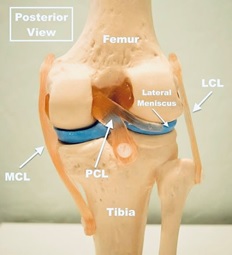
Before we talk about what goes wrong, it helps to understand why the knee is so vulnerable in the first place. The knee is the largest joint in your body. Every time you stand, walk, run, climb, or crouch, your knee is bearing load, absorbing shock, and coordinating movement between the thigh bone (femur), shin bone (tibia), and kneecap (patella). It’s held together by four major ligaments, cushioned by two C-shaped cartilage pads called menisci.
All of that complexity means there are many structures that can be injured, inflamed, or worn down — and many possible causes for knee pain.
Common Causes of Knee Pain
Knee pain isn’t a single condition. It’s a symptom — and tracking down the right cause is what good diagnosis is all about. Here are the most frequent causes.
Osteoarthritis (Wear-and-Tear Arthritis)
This is the most common cause of knee pain in adults over 40. Osteoarthritis (OA) occurs when the smooth cartilage that lines the knee joint gradually wears down over time. You might notice that your knee is stiff in the mornings, loosens up after you move around, but hurts again after prolonged activity. It’s often worse in cold or damp weather.
Ligament Injuries
Ligaments are tough bands of tissue that hold the bones of the knee in proper alignment. The four main ligaments are the ACL (anterior cruciate ligament), PCL (posterior cruciate ligament), MCL (medial collateral ligament), and LCL (lateral collateral ligament).
Ligament injuries particularly ACL tears are common in active people and athletes. They typically happen during sudden changes of direction, pivoting, or jumping. An ACL tear often comes with a dramatic “pop,” followed by immediate swelling and instability. If you are having such problem. Book an appointment with Dr. Nitin Rawal. He is one of the leading ACL Surgeon in Gurgaon and Delhi NCR. Perfomed more than 1000 surgeries.
Meniscus Tears
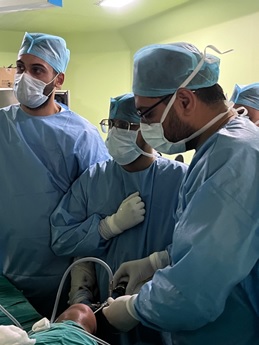
The menisci (plural of meniscus) act as shock absorbers inside the knee. They can tear during sudden twisting movements.
Symptoms include pain along the inner or outer line of the knee, swelling, stiffness, and a sensation of the knee “locking” or “catching.” A torn meniscus that goes untreated can accelerate cartilage damage and increase the risk of arthritis.
Patellofemoral Pain Syndrome (Runner’s Knee)
This condition causes pain around or behind the kneecap and is especially common in runners, cyclists, and younger active individuals. The hallmark symptom is a dull ache in the front of the knee that gets worse with prolonged sitting, going down stairs, or squatting.
Tendinitis and Bursitis
Patellar tendinitis (inflammation of the tendon connecting the kneecap to the shin bone) is common in athletes who do a lot of jumping it’s sometimes called “jumper’s knee.” It causes pain just below the kneecap, which worsens with activity.
Bursitis occurs when the small fluid-filled sacs (bursae) that cushion the knee become inflamed.
Iliotibial (IT) Band Syndrome
The iliotibial band is a thick strip of fibrous tissue that runs along the outside of the thigh from the hip to the knee. When it becomes tight and inflamed usually from repetitive activity like running it causes a sharp pain on the outer side of the knee. This is one of the leading causes of knee pain in long-distance runners.
Referred Pain from the Hip or Lower Back
Here’s something that surprises many people: knee pain doesn’t always originate in the knee. Problems in the hip joint or the lower back can cause nerves to send pain signals to the knee. A thorough examination by a qualified Orthopedic Doctor Near Me will always consider this possibility, especially if the knee looks normal on imaging.
Warning Signs You Should Never Ignore
- Sudden, severe pain
- A “pop” followed by swelling
- Significant swelling within 24 hours of an injury
- The knee giving way or feeling unstable
- Inability to fully bend or straighten the knee
- Redness, warmth, and fever
How Doctors Diagnose Knee Pain
Good diagnosis is the foundation of good treatment. When you visit a best knee surgeon or Orthopaedic specialist, here’s what typically happens
History and Physical Examination
The doctor will ask detailed questions: Where exactly does it hurt? When did it start? What makes it better or worse? Did anything specific happen, or did it come on gradually?
X-Rays
X-rays show bone clearly but can’t directly image soft tissue. They’re essential for identifying:
- Joint space narrowing (a sign of cartilage loss in arthritis)
- Bone fractures
- Bone spurs (osteophytes)
- Alignment problems
X-rays are usually the first imaging test ordered.
MRI (Magnetic Resonance Imaging)
MRI is the gold standard for soft tissue evaluation. It can clearly show the ACL, PCL, menisci, cartilage, tendons, and bursae making it essential for diagnosing ligament tears
Ultrasound
Ultrasound is a quick, affordable, and radiation-free way to assess soft tissue around the knee
Blood Tests
If inflammatory or autoimmune arthritis is suspected (such as rheumatoid arthritis or gout), blood tests can help. Markers like CRP, ESR, uric acid levels, and rheumatoid factor provide valuable information.
Arthroscopy
In some cases, when imaging is inconclusive or treatment is needed simultaneously
Treatment Options: From Simple to Surgical
Conservative (Non-Surgical) Management
RICE Protocol (Rest, Ice, Compression, Elevation) For acute injuries, this remains the first-line approach. Rest the knee, apply ice for 15–20 minutes several times a day, use a compression bandage to limit swelling, and keep the leg elevated when sitting or lying down.
Medications Over-the-counter pain relievers (like paracetamol or ibuprofen) can help manage mild to moderate pain and reduce inflammation. Prescription medications may be needed for more severe cases or inflammatory arthritis.
Knee Bracing Different types of braces serve different purposes. Unloader braces can reduce the load on arthritic compartments of the knee. Functional braces support unstable knees after ligament injury. Patellar braces help correct tracking problems.
Weight Management This one is underappreciated. Each kilogram of body weight adds roughly four kilograms of load across the knee joint. Losing even a modest amount of weight can dramatically reduce pain and slow the progression of arthritis.
Injections Several types of injections can provide meaningful relief:
- Corticosteroid injections
- Hyaluronic acid (HA) injections
- Platelet-Rich Plasma (PRP) injections
Surgical Treatment
When conservative treatment isn’t enough — or when the injury is severe enough to warrant immediate surgery — several options are available:
Arthroscopic Surgery
ACL Reconstruction If you’re looking for the Best ACL Surgeon in Gurgaon, seek a specialist with specific expertise in knee ligament reconstruction, not a general orthopaedician.
Partial Knee Replacement (Unicompartmental Arthroplasty)
Total Knee Replacement (Total Knee Arthroplasty)
When Should You See an Orthopaedic Specialist?
Here’s a simple rule of thumb: if knee pain is affecting your quality of life, your sleep, or your ability to do the things you enjoy — it’s time to see someone.
If you’re in Gurgaon and looking for the Best Orthopedic Surgeon in New Gurgaon, prioritize finding someone who:
- Takes the time to listen to your history and examine you properly
- Explains your diagnosis in language you can understand
- Discusses all your options — not just surgical ones
- Has specific expertise in knee conditions, particularly if your problem involves ligaments, cartilage, or potential joint replacement
The Bottom Line
Knee pain is not something you should simply endure. It can limit your independence, affect your mood, disrupt your sleep, and get progressively worse if the underlying cause goes untreated.